
Music, Movement & Mental Health: How Dancing Together Heals, Connects, and Unites Us
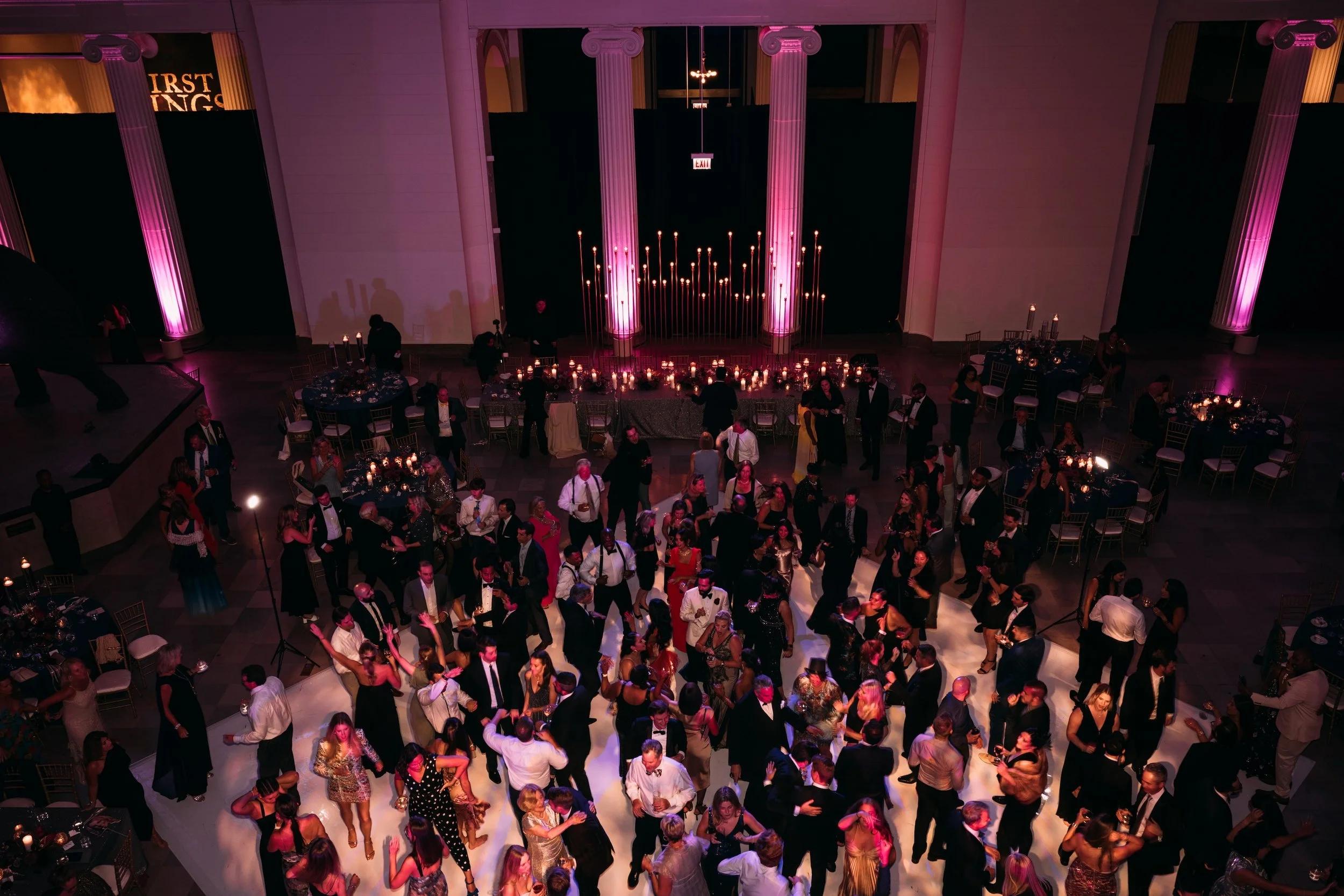
Across cultures and generations, people have always turned to music and movement to feel connected, grounded, and alive. Whether it's a packed wedding dance floor, a pop concert, a country line dance, or a night of Afro-Caribbean rhythms — something shifts inside of us the moment we start moving together.
And now, research backs it up: music and movement, especially in community, can profoundly improve emotional well-being.
What happens on a dance floor is not accidental — it’s neurological, cultural, and deeply human.
Whether it’s a packed wedding floor, a Garba night, a festival stage, a block party, or a global dance club…
something powerful happens when people move together to a shared beat.
Stress drops. Mood rises. Strangers become connected.
Today, research confirms what people have instinctively known for centuries: dancing in community is one of the most powerful tools we have for emotional well-being.
This article explores why — and how shared rhythm, across all genres, can create moments of healing, joy, and human connection.
The Science: Why Moving to Music Changes the Brain
Studies from leading Universities worldwide show that dancing to rhythm triggers:
Endorphins: the body’s natural painkillers + feel-good chemicals
Dopamine: motivation, pleasure, reward
Oxytocin: the bonding chemical released when we trust and connect
This chemical trio is the same cocktail associated with:
falling in love
laughing
spiritual experiences
deep community belonging
Which means:
A dance floor is a mental health tool.
A DJ is facilitating emotional regulation.
A beat is guiding the nervous system back to balance.
Why RHYTHM MAKES THE BODY WANT TO MOVE
Global and diasporic rhythms — Bhangra, Afrobeats, Soca, Latin, Dancehall — share certain qualities:
Higher average BPM (120–140+)
Heavy use of drums + percussion
Repetitive, predictable rhythm patterns
Strong downbeats
Melodies rooted in cultural storytelling
Different genres activate our bodies in different ways:
Pop & Dance Music: predictable patterns + uplifting progressions
Hip-Hop & R&B: groove-heavy rhythms that engage the motor cortex
Country & Line Dance: synchronized, structured group patterns that raise oxytocin levels
Rock, 80s, 90s, 2000s: nostalgia + energetic drums = emotional release
Latin, Afrobeats, Dancehall, Bhangra: percussive, body-driven rhythms that trigger instinctive movement
It doesn’t matter if the music comes from Nashville, Lagos, Mumbai, Kingston, Atlanta, or Los Angeles — your brain responds the same way:
Rhythm invites movement. Movement unlocks emotion.
This is why even if you don’t know a language, you can still love the music.
Movement is universal.
Rhythm is universal.
Joy is universal.
Community Dance as Healing
Psychologists use the term collective effervescence to describe the emotional high that comes from moving in sync with others.
It reduces:
anxiety
loneliness
depression symptoms
social disconnection
And increases:
belonging
trust
mood
creativity
emotional resilience
This happens at weddings, nightclubs, festivals, garba nights, Zumba classes, line dancing halls — everywhere humans come together.
Community dance is not just fun.
These are modern healing rituals.
DJs as Emotional Guides
The right DJ isn’t just mixing songs —
they’re mixing nervous systems.
They’re mixing cultures.
They’re mixing hearts.
A good DJ can:
uplift an anxious room
build bridges between strangers
honor traditions with respect
create a shared emotional memory that lasts years
Through track selection, BPM flow, and cultural understanding, DJs create safe, joyful space for people to let go.
This is why so many people say:
“I needed that night.”
“My stress disappeared.”
“That was exactly what my family needed.”
It’s not accidental — it’s neurological, cultural, and spiritual.
Why Music & Movement Matter After the Disconnection of Modern Life
We live in a time where digital interaction replaces human interaction — yet our nervous systems are wired for the opposite.
Music and movement restore what modern life erodes:
presence
community
shared joy
emotional connection
physical expression
Whether it’s Country, Pop, Bollywood, Afrobeats, Rock, Hip-Hop, Latin, R&B, Bhangra, or Dancehall—the power is the same:
Movement brings us back to ourselves.
Community brings us back to each other.
OUR TRUTHS
Music moves you.
Movement heals you.
Community completes you.
And when all three come together — in a single song, a single dance circle, a single night — something transformative happens.
This is why I believe in Unity Through Sound.
Not as branding.
As truth.
Sources:
Dunbar, R.I.M. et al. (2012). “Social bonding and pain threshold in dance.” Evolution and Human Behavior.
Tarr, B., Launay, J., & Dunbar, R.I.M. (2014). “Synchrony and the social bonding effect.” Frontiers in Psychology.
Salimpoor, V.N. et al. (2011). “Dopamine release during peak emotional experiences to music.” Nature Neuroscience.
Harvard Medical School (2021–2023). Articles on music therapy + stress reduction.
McGill University (2013). Research on reward circuitry and music.
University of Toronto (2020). Studies on group movement and social bonding.
